Game mode PvE
Fewer fights with other players
You play against the environment, so nobody raids you while you learn.
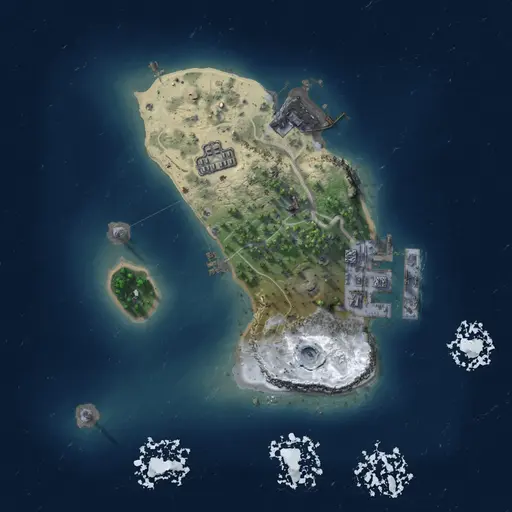 Procedural Map
1,500 · Seed 50000 · 166 servers
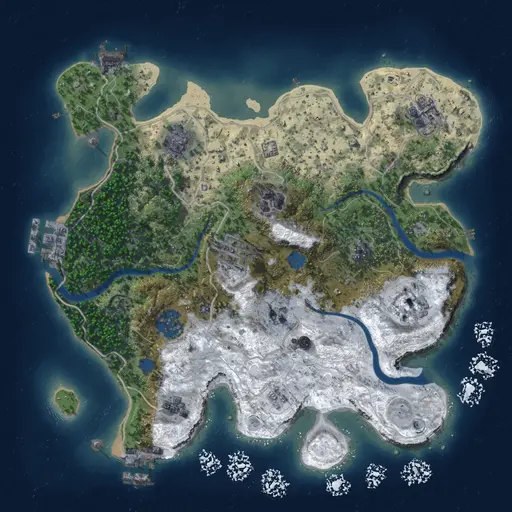 Procedural Map
3,000 · Seed 50000 · 94 servers
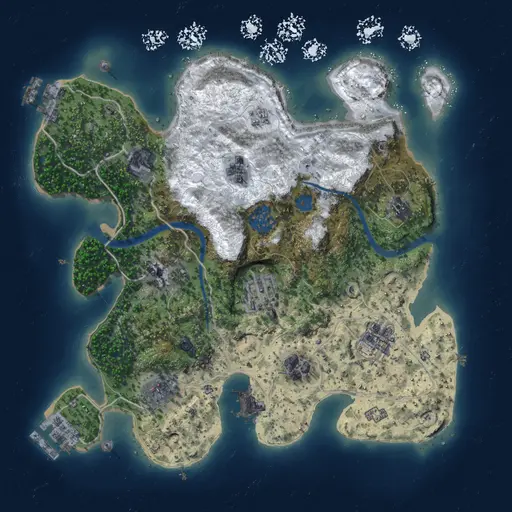 Procedural Map
3,000 · Seed 1 · 76 servers
Start on a PvE server, a solo or small-group server, or a quiet low pop server. Pick a path, open its list and check the server page for rules and the next wipe.
You play against the environment, so nobody raids you while you learn.
Solo, duo and trio servers cap the group size. That keeps big clans out.
Fewer slots, a calmer map. Check the live player count on the server page.
Server counts refresh every 30 minutes. Figures come from our own crawl data; the lists are a starting point, not a complete ranking.
On a PvE server, damage between players is switched off or limited, so other players cannot simply kill you or raid your base. You still fight the environment: animals, scientists, radiation and the cold. That makes PvE the calmest way to learn how gathering, crafting and building work in Rust.
Rules differ from server to server. Some allow PvP in marked zones or during events, others protect only your base. Read the server description before you join, so you know what is allowed and what is not.
PvE also suits players who want to explore the map, try out building ideas or bring along friends who are new to Rust, before they move on to a PvP server.
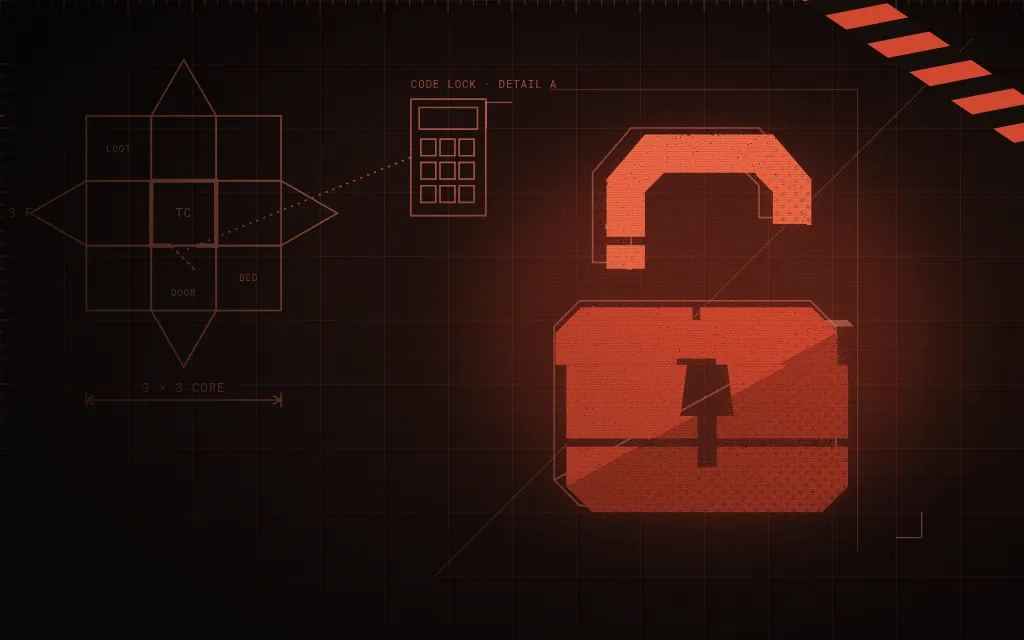
Group-limited servers cap how many players may work together, usually at one, two or three. Big clans cannot team up against you, which keeps fights closer to even. For a new Rust player that means fewer nights in which a large group takes everything you built.
The best solo, duo and trio lists show servers with that group limit and a rating of at least 80 percent. Admins enforce the limit in their own way, so check the rules for what happens when a group breaks it.
A low pop server has fewer slots; on Just Wiped that means a player limit of up to 150. Fewer players leave more room to build, fewer raids and more time to learn the map. The flip side is less trade, fewer groups to join and quieter evenings.
The slot limit is not the number of people online. Check the live player count on the server page, ideally at the time of day you usually play.
A vanilla Rust server runs the game without plugins or mods: the gather rates, crafting times and rules as Facepunch ships them. You learn Rust as it is, and what you learn works on every other server too.
Modded servers change the game, for example with higher gather rates, starter kits or teleport commands. That can make the start easier or much harder, depending on the rules. A server that calls itself 2x or 5x gathers faster than vanilla.
If you are unsure, start on vanilla: the basic rules are the same everywhere, and later you can still pick a modded Rust server whose rules you like.
A wipe resets the map, and on many servers the blueprints too. Right after a wipe everybody starts with nothing, so a beginner is on equal footing for the first hours. Late in a wipe cycle, established groups have large bases and better gear.
Upcoming wipes shows which servers wipe next, and the wipe schedule explains the monthly forced wipe that applies to all Rust servers. If you can, plan your first session for the day of a wipe.
Before you join, open the server page and look at the wipe history, the current player count, the group limit and the map size. The description and the contact links tell you the rules and where to ask the admins. A server with a regular wipe rhythm is easier to plan around.
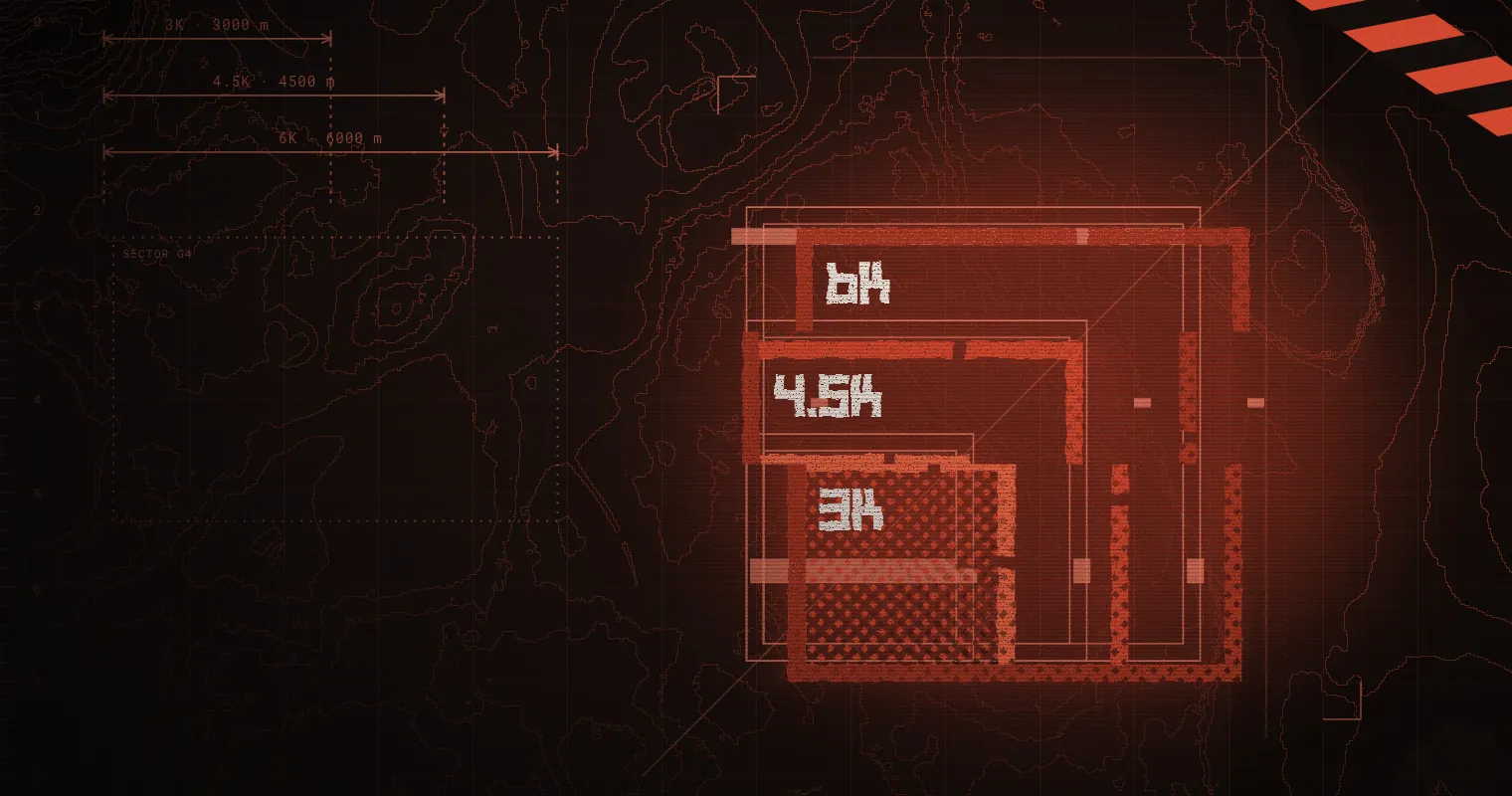
Some servers put “beginner” or “newbie” in their name. That is the owner's promise, not our rating, so read the rules as carefully as on any other Rust server. The map sizes guide explains what the size of a map means for how often you meet other players.
If you only want a quick answer, these four steps lead to a first Rust server. Try one session; if it does not feel right, pick another list and try again.
None of the lists ranks single Rust servers. They filter the servers we track by settings such as game mode, group limit or slot count, and the number next to each list shows how many tracked servers matched at the last refresh.
There is no single best server. Many newcomers start on PvE, solo or low pop servers because there are fewer fights.
A PvE server limits or switches off player damage, so you can learn without being raided. Rules differ per server.
Here, a server with a player limit of up to 150. It is often quieter, but you meet fewer players.
It has no plugins or mods, so you learn the game as it is. Modded servers can be easier or harder.
It caps how many players may team up. On a solo server you play alone, on a duo or trio server with up to two or three players.
Shortly after a wipe, when everybody starts from nothing. Upcoming wipes shows which servers wipe next.
The name is the owner's promise, not our rating. Read the rules and check the server page like on any other server.